Invasive species pose significant threats to ecosystems, agriculture, and local economies. Their removal is often critical for habitat restoration and biodiversity conservation. However, the methods employed for this task can have profound environmental consequences. Heavy machinery, while effective in clearing large areas quickly, raises important questions about its ecological footprint. Understanding these impacts is essential for land managers and environmentalists who must balance the urgency of invasive species removal with the long-term health of our landscapes.
Understanding Invasive Species
Invasive species are non-native organisms that spread rapidly in new environments, often outcompeting local flora and fauna. They can disrupt food webs, alter habitats, and introduce diseases. For example, the emerald ash borer has devastated ash tree populations across North America, leading to cascading effects on forest ecosystems. Similarly, kudzu vine has overtaken vast areas in the southeastern United States, smothering native plants and reducing overall biodiversity.
The removal of these invasive species is crucial for restoring natural habitats. Yet this endeavor must be approached with care; indiscriminate use of heavy machinery can lead to soil compaction, erosion, and habitat destruction.
The Role of Heavy Machinery in Invasive Species Removal
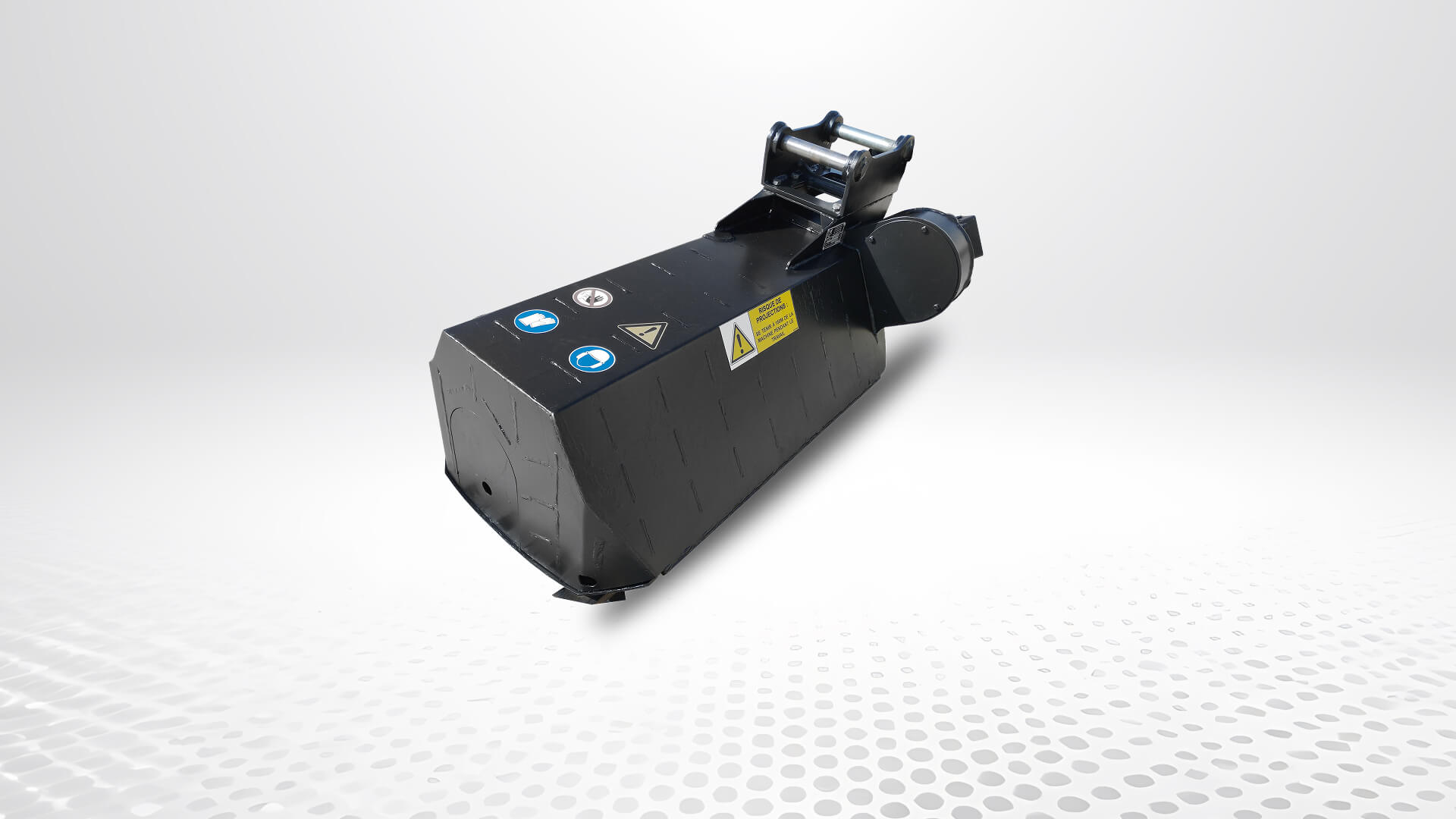
Heavy machinery such as forestry mulchers and excavators plays a vital role in large-scale land clearing and vegetation management. Tools like the Fecon mulcher or high-flow drum mulcher allow operators to efficiently process dense underbrush and invasive plant species. This equipment can significantly reduce labor costs and time associated with land clearing projects compared to manual methods.
Nonetheless, reliance on heavy machinery presents trade-offs that need careful consideration. While it effectively clears land for restoration efforts or right-of-way maintenance, it also brings potential harm to the surrounding environment.
Soil Compaction and Erosion
One immediate consequence of using heavy machinery is soil compaction. When heavy machines traverse an area repeatedly, they compress the soil structure, reducing its porosity and ability to retain water. This changes drainage patterns and can lead to increased runoff during rainfall events. Consequently, erosion may occur more readily as topsoil is washed away.
For instance, after a site preparation project using an excavator mulcher for invasive species removal in a forested area, nearby streams recorded higher sediment levels due to disturbed soils along the banks. The increased sedimentation can harm aquatic life by degrading water quality and disrupting spawning grounds.
Habitat Fragmentation
The use of heavy machinery does not only affect soil health; it can also fragment habitats essential for native wildlife. As machines clear vast swathes of land quickly, they may create barriers spidermaxusa.com machine mulcher that isolate animal populations from one another. For example, removing invasive shrubs could https://spidermaxusa.com/contact-us/ inadvertently displace nesting birds that rely on those shrubs for cover.
Moreover, this fragmentation can hinder wildlife movement between patches of suitable habitat—vital for genetic diversity—which ultimately affects population resilience against disease or climate change.
Carbon Sequestration Loss
Forests play a crucial role in carbon sequestration—removing carbon dioxide from the atmosphere and storing it as biomass. When heavy machinery clears forested areas without adequate planning or replanting strategies, there’s a direct loss of trees that sequester carbon over time.
Consider a project where brush cutting was used extensively without follow-up reforestation efforts; the immediate release of stored carbon into the atmosphere exacerbates climate change while negating any short-term benefits gained from removing invasive species.
Balancing Efficiency with Environmental Stewardship
When considering heavy machinery for invasive species removal projects, a balance must be struck between efficiency and ecological integrity. It is essential to adopt strategies that minimize negative impacts while achieving project goals effectively.
Planning Before Action
Comprehensive planning is paramount before deploying heavy equipment in sensitive areas. Conducting thorough site assessments helps identify critical habitats that should be preserved while targeting specific invasive species populations for removal.
Techniques like selective cutting allow operators to preserve native vegetation while still effectively managing invasives by reducing competition without indiscriminately clearing entire areas.
Employing Eco-Friendly Alternatives
Utilizing eco-friendly methods alongside or instead of heavy machinery can mitigate some adverse effects associated with traditional land clearing practices. Techniques such as controlled burns or targeted herbicide applications may provide opportunities to manage invasive species with less disruption than mechanical approaches.
For instance, utilizing prescribed fire has been shown to effectively control certain invasive grasses without causing soil compaction or habitat fragmentation caused by heavy equipment usage.
When possible, integrating various tools—including specialized forestry equipment like skid steer mulchers—can result in more nuanced approaches that prioritize both efficiency and environmental health.
Monitoring Post-Removal Effects
Post-removal monitoring plays an essential role in determining whether objectives were met without compromising ecosystem integrity. Regular assessments help track changes in soil health , native plant recovery rates ,and wildlife presence after removal efforts are completed .
Restoration ecologists often recommend implementing adaptive management practices based on monitoring results so adjustments can be made if negative outcomes arise unexpectedly post-operation .
Case Studies: Successes and Lessons Learned
Several case studies illustrate both successful removals using heavy machinery and their unintended consequences:
California Wildfire Mitigation: In California's Sierra Nevada region ,heavy equipment was utilized extensively during wildfire mitigation efforts .While rapid brushing reduced fuel loads around communities , subsequent erosion led to sedimentation issues affecting local waterways.
Florida's Wetlands Restoration: A project aimed at removing Brazilian pepper trees from wetlands involved careful planning combined with selective cutting techniques instead solely relying on bulldozers .This allowed preservation of critical wetland habitats while still addressing invasives effectively .
3 . Great Lakes Ecosystem Restoration: In Michigan's coastal wetlands ,a combination of mechanical methods alongside biocontrol measures (like introducing natural predators) yielded positive results .It demonstrated how thoughtful integration could help address invasives without significant trade-offs regarding ecosystem services provided by these rich habitats .
These examples underscore why understanding ecological context remains crucial when employing any method aimed at managing invasive species through physical means .
The Future of Land Management Practices
As awareness grows regarding climate change’s impact on ecosystems worldwide ,so too must our approach toward managing our landscapes evolve . Sustainable practices involving both mechanical means paired judiciously with ecological sensitivity will become increasingly necessary if we hope not only eradicate harmful invasives but also maintain healthy functioning ecosystems capable supporting diverse life forms .
Investing time upfront into proper planning ,monitoring outcomes rigorously post-removal ,and fostering partnerships among various stakeholders including local communities ensures long-term success towards preserving natural resources while combating urgent threats posed by invasive introductions .
Ultimately ,the challenge lies not just within removing unwanted intruders but doing so responsibly ensuring we safeguard those fragile balances upon which all life depends .