Habitat restoration is a pressing concern as ecosystems face degradation from human activity, invasive species, and climate change. The integration of machinery into habitat restoration efforts has proven to be highly effective, allowing for efficient management of landscapes and enhancement of biodiversity. This article explores various strategies for utilizing machinery, focusing on techniques such as forestry mulching, land clearing, and vegetation management.
Understanding the Role of Machinery in Habitat Restoration
Machinery plays an essential role in habitat restoration by enabling land managers to address ecological challenges more effectively. The use of specialized equipment can tackle tasks that Look at more info would be labor-intensive or impractical with manual methods. For instance, forestry mulchers are designed to clear dense vegetation while leaving the soil structure largely intact. This approach not only reduces the risk of erosion but also facilitates the growth of native plants.
Effective habitat restoration requires a multifaceted approach that often includes invasive species removal, fuel reduction for wildfire mitigation, and site preparation for planting native flora. Each task can benefit from specific machinery designed for efficiency and effectiveness. Understanding the capabilities and limitations of different equipment is crucial in developing a successful restoration strategy.
Key Machinery Types for Habitat Restoration
Forestry Mulchers: These machines are equipped with rotating blades designed to grind down brush, small trees, and other vegetation into mulch. The mulch can enhance soil quality while suppressing weed growth. They come in various configurations suitable for different carriers, such as skid steers or tractors.
Excavators: Often used in larger projects, excavators can remove stumps and large debris efficiently. Their versatility allows them to perform site preparation tasks by grading or reshaping land according to ecological needs.
Tractors with Attachments: Tractors can serve multiple purposes in habitat restoration when paired with appropriate attachments like disc mulchers or drum mulchers. These attachments allow for effective clearing and vegetation management over extensive areas.
Brush Cutters: Ideal for clearing small shrubs and underbrush, brush cutters are useful in managing areas before initiating more significant restoration work. They help prevent invasive species from gaining a foothold.
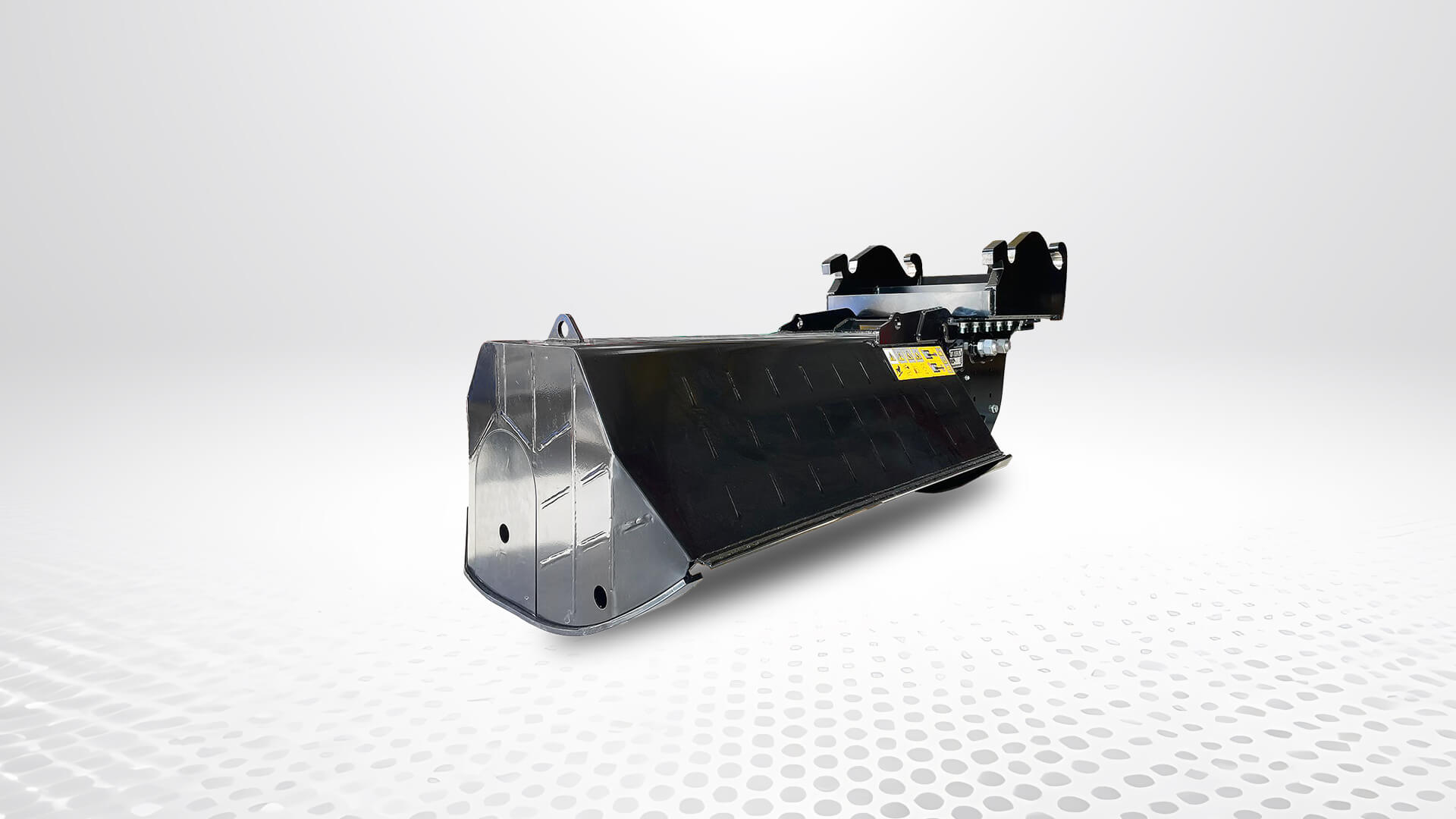
Stump Grinders: Essential for removing tree stumps after logging or natural events, stump grinders turn stubborn remnants into mulch or sawdust that can be integrated back into the ecosystem.
These machines enhance productivity significantly compared to manual labor alone; however, operators must understand their use well to avoid damaging sensitive habitats during operation.
Best Practices for Machinery Use in Habitat Restoration
When employing machinery in habitat restoration efforts, several best practices should be followed to maximize benefits while minimizing ecological impact:
- Site Assessment: Before any machine enters an area, conduct a thorough site assessment focusing on existing flora and fauna as well as soil conditions. This understanding will guide decisions about which machinery to use and how aggressively to manage vegetation. Timing Operations: The timing of operations is critical; certain periods may be more conducive to successful restoration based on plant growth cycles or wildlife nesting seasons. Additionally, avoiding wet conditions helps prevent soil compaction resulting from heavy machinery. Selective Clearing: Instead of blanket clearing an entire area, employ selective clearing techniques using machinery where specific invasive species dominate while preserving native species that support local wildlife. Mulch Depth Management: When using forestry mulchers or similar equipment, pay attention to mulch depth. A mulch layer that is too thick can suffocate seedlings beneath it; thus ensuring an appropriate depth is vital for encouraging healthy regrowth. Post-Operation Monitoring: After using machinery on a site, ongoing monitoring is essential to assess the success of the intervention and adapt future actions accordingly.
Challenges with Machinery Use
Despite their advantages, utilizing machinery poses challenges that practitioners must address diligently:
- Environmental Impact: Heavy equipment can disturb soil composition and negatively affect local ecosystems if not managed carefully. Operators must remain vigilant about their surroundings during work activities. Cost Considerations: Renting or purchasing specialized machines incurs costs that need careful budgeting within project plans. Evaluating long-term benefits versus immediate expenses is necessary when deciding what equipment is worth investing in. Skill Requirements: Effective operation of complex machinery requires skilled personnel who understand both the equipment itself and ecological principles guiding habitat restoration efforts.
Case Study Insights
Consider a recent project aimed at restoring a coastal wetland area spidermaxusa.com machine mulcher affected by invasive reed species dominating native grasses essential for local wildlife habitat. The team utilized an excavator fitted with a forestry mulcher attachment to selectively clear problematic reeds without harming surrounding flora crucial for bird nesting sites.
After the initial clearing phase was completed, they monitored regrowth over subsequent seasons—applying targeted herbicide treatments where necessary—and noted significant improvement in biodiversity within two years as native grasses began reclaiming space previously dominated by invasives.
This case illustrates not just the efficacy of mechanical tools but also highlights the importance of combining technology with traditional ecological knowledge in achieving successful outcomes within restoration projects.
Future Directions
As technology continues evolving within land management services related to habitat restoration goals, new innovations promise even greater efficiency gains alongside reduced environmental impacts:
Automation & Robotics: Developing autonomous vehicles capable of navigating rugged terrain may reduce labor costs while maintaining precision in operations like planting or monitoring ecosystems post-intervention.
Eco-Friendly Alternatives: Innovations targeting eco-friendly land-clearing solutions—such as electric-powered equipment—could mitigate carbon footprints associated with traditional fossil-fuel-driven machines.
Data Analytics Integration: Leveraging data analytics through GIS mapping could enhance decision-making processes around where best deploying specific types of machines based on real-time environmental data collection efforts across wide areas over timeframes longer than typical project durations allow today.
Community Engagement Technologies: Increasingly sophisticated engagement tools—like mobile applications allowing community members participation regarding local habitats being restored—could foster stewardship among residents while providing valuable input regarding ongoing maintenance needs once initial interventions have been made using heavy machinery.
Collaborative Approaches: Partnerships between agencies responsible for ecological health along with private contractors operating necessary machines could lead towards shared learning opportunities benefiting all stakeholders involved across various levels throughout future endeavors aimed at sustaining healthy habitats long-term rather than merely addressing short-term crises arising frequently due man-made disruptions unfolding globally today!
In summary, employing machinery strategically within habitat restoration initiatives represents one effective method amongst many available options today but must always be pursued thoughtfully alongside best practices ensuring minimal adverse effects occur wherever possible so ecosystems remain resilient despite ongoing challenges they face moving forward!