When tackling large-scale land clearing projects, the choice of equipment can significantly affect both efficiency and effectiveness. High flow mulchers stand out as a valuable tool in this arena, offering robust capabilities that cater to various vegetation management needs. Understanding their functionality and strategic application can lead to substantial improvements in productivity, especially when the stakes involve extensive areas requiring brush cutting, stump grinding, or even habitat restoration.
The Role of High Flow Mulchers
High flow mulchers are designed to attach to various machinery such as skid steers, tractors, and excavators. They utilize hydraulic power to effectively clear land by grinding vegetation into mulch, which not only reduces waste but also enhances soil health through natural decomposition. One of the key advantages of these machines is their ability to handle tough conditions, including dense brush and larger trees that may pose challenges for traditional clearing methods.
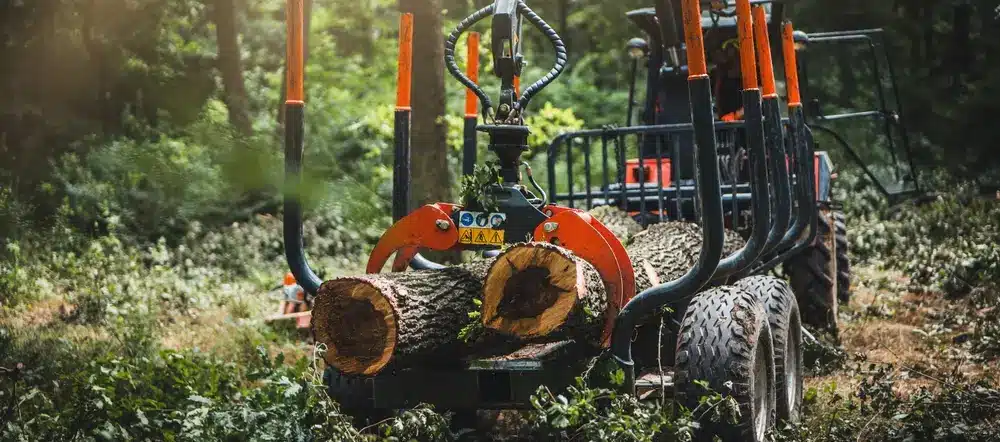
For instance, while a standard mulcher might struggle with fibrous roots or thick underbrush, a high flow model equipped with carbide teeth can efficiently tear through these obstacles. This capability is particularly beneficial for projects focused on invasive species removal or right-of-way clearing where rapid progress is essential.
Selecting the Right High Flow Mulcher
Choosing the best forestry mulcher for your specific needs involves several considerations. First, assess the type of vegetation you will encounter on-site. For dense woods with larger trees, a drum mulcher may be more effective due to its powerful cutting mechanism and durability. Conversely, if your project primarily consists of smaller shrubs and underbrush, a disc mulcher could suffice.
Another critical factor is the hydraulic flow rate of your equipment. High flow systems typically operate at around 30 to 50 gallons per minute (GPM). Matching your mulcher's requirements with your machine’s output is crucial for optimal performance. If you employ a skid steer with lower flow capabilities but choose a high flow mulcher, you may experience reduced efficiency or even mechanical issues.
Benefits Beyond Clearing
The advantages of using high flow mulchers extend beyond mere land clearing. These machines play a significant role in fuel reduction efforts aimed at mitigating wildfire risks. By effectively managing underbrush and dead vegetation around properties or within forests, they create defensible spaces that reduce fire intensity during potential wildfires.
Furthermore, the mulch produced by grinding vegetation acts as an eco-friendly solution for soil improvement. As it decomposes over time, it enriches the ground beneath it and supports new plant growth — contributing positively to habitat restoration initiatives.
Cost Considerations
Understanding the financial implications of employing high flow mulchers is vital for any large-scale project. The cost to clear land per acre can vary widely based on factors such as location, type of vegetation, and machinery utilized. On average, prices could range Website link from $300 to $1,500 per acre depending on these variables.
When considering equipment rental versus purchase options for forestry equipment spidermaxusa.com machine mulcher like high flow mulchers, take into account not only immediate costs but also long-term savings associated with ownership versus rental fees over time. Additionally, investing in quality machinery often results in less downtime due to repairs and maintenance — an important consideration when working against tight project deadlines.
Practical Applications
The versatility of high flow mulchers allows them to be employed across various applications in land management services:
Lot Clearing: Preparing residential or commercial lots by removing unwanted trees and shrubs efficiently. Right-of-Way Maintenance: Ensuring clear paths along power lines or roadways by managing vegetation without disrupting surrounding landscapes. Fuel Reduction: Actively reducing combustible materials in forested areas that could contribute to wildfires. Habitat Restoration: Supporting ecological balance by removing invasive species that threaten native flora. Site Preparation: Making land ready for construction projects by leveling and clearing debris beforehand.
These diverse applications showcase how high flow mulchers can address different challenges faced during land management tasks while also promoting sustainable practices.
Enhancing Operational Efficiency
Maximizing productivity with high flow mulchers requires thoughtful planning and operational strategies:
- Training Operators: Skilled operators understand how to maximize machine capabilities while ensuring safety protocols are followed. Scheduling Workflows: Coordinating equipment use across multiple sites minimizes idle time and maximizes operational throughput. Routine Maintenance: Regular inspections and maintenance extend machinery life cycles while preventing costly repairs during peak operational periods.
By prioritizing these aspects within your operations framework, teams can enhance overall efficiency when using high flow mulchers on large-scale projects.
Addressing Environmental Concerns
As awareness grows regarding environmental impacts associated with land management practices, utilizing eco-friendly solutions becomes paramount. High flow mulching significantly reduces noise pollution compared to traditional methods like bulldozers or chainsaws — making it suitable for urban areas where noise ordinances might apply.
Moreover, because mulch helps retain moisture in soil after application while minimizing erosion risks during heavy rains or winds — this method contributes positively towards maintaining healthy ecosystems post-clearing activities.
Conclusion: A Strategic Investment
Investing in high flow mulchers presents an opportunity not only for improved productivity but also for fostering sustainable practices within forestry operations. Their versatility allows professionals engaged in vegetation management tasks from wildfire mitigation efforts down through lot clearing activities—each benefiting from enhanced efficiency through effective machine choices tailored specifically towards job demands.
By comprehensively understanding their benefits alongside optimal usage strategies—organizations can position themselves favorably within today’s competitive landscape while ensuring they meet evolving environmental guidelines throughout their operational processes effectively!